

How to Open a Salon: A Practical Step-by-Step Guide for First-Time Owners


Opening a salon looks simple from the outside. Pick a space, buy a few chairs, hire a stylist or two, and start taking bookings. In reality, the salons that survive are usually the ones that treat the business like a business from day one.
If you are planning to open a salon, the smartest move is not to rush into décor and equipment. First, decide what kind of salon you want to run, who you want to serve, how much it will cost, and how you will handle the daily chaos that comes with appointments, staff, and walk-ins.
That early planning is what keeps a salon from becoming an expensive headache. In this guide, you’ll walk through each step, from defining your idea to getting your first clients, so you can build your salon on a solid foundation.
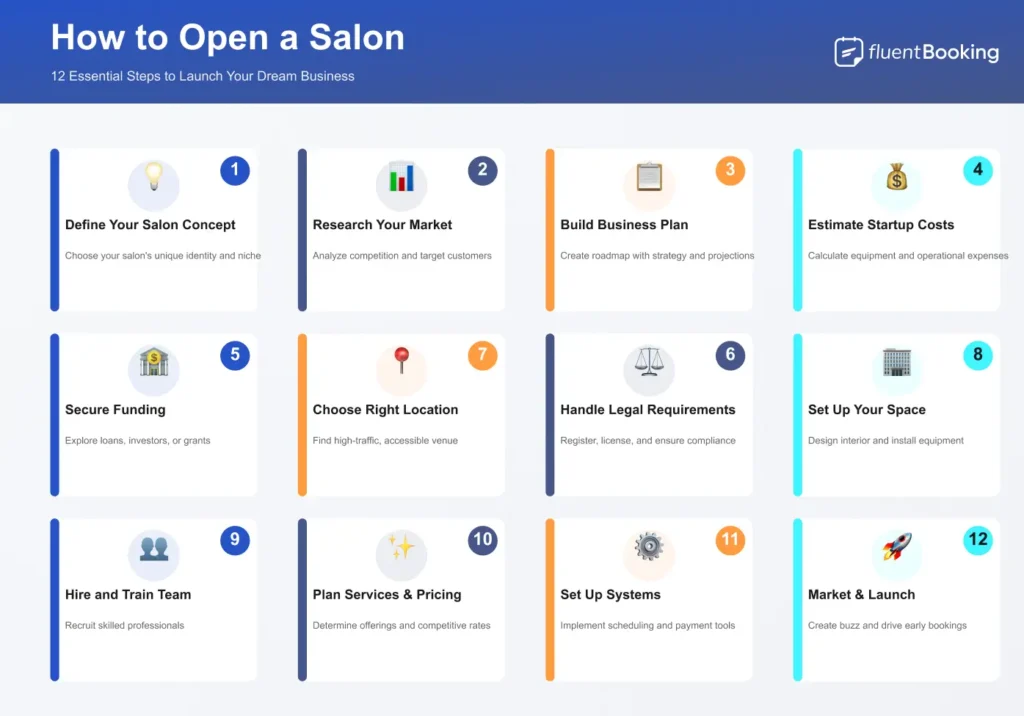
Here’s how to open a salon:
- Define your salon concept
- Research your market and target customers
- Build a simple business plan
- Estimate startup costs
- Secure funding
- Handle licenses and legal requirements
- Choose the right location
- Set up your salon space and equipment
- Hire and train your team
- Plan your services and pricing
- Set up scheduling and payment systems
- Market your salon and launch
12 Steps to Open a Salon and Get Your First Clients
Opening a salon can feel overwhelming when you look at everything at once. There are decisions around money, location, licenses, equipment, staff, and daily operations.
These 12 steps break the process down into manageable parts so you can move forward with clarity, avoid common mistakes, and build your salon on a solid foundation.
1. Define Your Salon Concept: What Kind of Salon Do You Want to Open?
Before you spend money, you need to define the kind of salon you want to build. A hair salon, nail salon, beauty salon, barbershop, spa, or hybrid salon all have different equipment needs, staffing requirements, prices, and customer expectations. The business model shapes everything else.
A small nail studio can start with a tighter space and lower overhead than a full-service beauty salon. A hair salon may need wash stations, styling chairs, dryers, and more space for client flow. A barbershop may focus on faster services and higher turnover. A spa may need a calmer layout, more privacy, and longer appointment times.
This decision matters because it keeps you from buying the wrong equipment or signing a lease for a space that does not fit your services.
If you are still deciding on the brand direction, our Top 300+ Salon Name Ideas for different types of salons can help you choose a name that matches your salon type and positioning.
2. Research Your Market Before You Spend Money
A salon is not just about skill. It is also about fit. You need to know who your customers are, what they want, what they can pay, and what other salons in the area are already offering.
Start with a simple local scan:
- What salons already operate nearby?
- What services do they offer?
- What do they charge?
- What kind of reviews do they get?
- Are they busy, or do they seem underbooked?
- Is there a gap in the market you can fill?
Look at the neighborhood itself, too. Foot traffic, parking, visibility, nearby businesses, and ease of access all affect whether people actually show up. A good salon in the wrong location can still fail.
Market research is not glamorous, but it saves money. It tells you whether your idea is realistic before you commit to rent and renovation.
3. Build a simple salon business plan
You do not need a 60-page corporate document. You need a clear plan that answers the basics.
Your salon business plan should cover:
- The type of salon you are opening
- The services you will offer
- Your target customer
- Your pricing strategy
- Your estimated startup costs
- Your monthly operating expenses
- Your expected revenue
- Your break-even point
This is where you get honest about the math. How many clients do you need each week to cover rent, payroll, supplies, and marketing? What happens if bookings start slowly? Can you survive the first few months while the business builds momentum?
A simple plan keeps the business grounded. It also helps if you need to talk to a landlord, partner, investor, or bank.
4. Estimate the Startup Costs of Opening a Salon
Most new owners underestimate this. The chair and mirror are not the whole cost. You will also need money for the space itself, licenses, products, staff, and the slow first months before the salon becomes stable.
Common startup costs include:
- Rent and deposit
- Renovation or buildout
- Furniture and styling stations
- Wash basins, mirrors, dryers, and tools
- Cleaning and sterilization supplies
- Initial product inventory
- Business registration and permits
- Insurance
- Staff hiring and training
- Marketing and launch promotions
- Booking software or salon management tools
The exact amount depends on location, size, and salon type. A small setup can cost far less than a full-service salon, but even a lean start usually needs more capital than people expect.
The safest approach is to overestimate your costs and underestimate your first few months of income. That is boring advice, which is why it is useful.
5. Handle Salon Licenses, Permits, and Legal Requirements
Before you open, make sure your business is legal in your area. Salon rules vary by country, state, and city, so this is not the place to guess.
You may need:
- Business registration
- Local permits or trade licenses
- Cosmetology or salon-specific licenses
- Health and safety approvals
- Fire and occupancy compliance
- Business insurance
- Employment and tax setup if you hire staff
If you offer specialized services, like chemical treatments, skin services, or spa services, there may be extra rules. Check with your local authority or a legal professional before signing a lease or advertising your opening date.
To streamline this compliance process, many new owners look into legal outsourcing to handle the administrative and registration paperwork.
Compliance is boring until it becomes a shutdown notice.
6. Choose the Right Location for Your Salon
The best salon location is not just the cheapest one. It is the one that helps the business attract the right clients and run smoothly.
When reviewing spaces, look at:
- Visibility from the street
- Parking and transport access
- Foot traffic
- Space for reception, treatment, and storage
- Layout for staff movement and client comfort
- Accessibility for customers with mobility needs
- Noise, lighting, and overall atmosphere
You also want a space that matches your brand. A premium salon and a budget-friendly neighborhood salon may both be profitable, but they will not need the same environment.
Do not fall in love with a place that is too small, too awkward, or too expensive to fix. A nice-looking space can still be the wrong business decision.
7. Set up the Salon Interior and Equipment
Once the location is locked in, you can think about setup. The goal is not to make the salon look expensive. The goal is to make it functional, comfortable, and easy to run.
Your essentials may include:
- Reception desk
- Waiting area seating
- Styling chairs
- Mirrors
- Wash stations or basins
- Dryers and styling tools
- Storage for products and supplies
- Cleaning and sterilization tools
- Point-of-sale system
- Booking and payment setup
The layout matters a lot. Clients should move through the space naturally. Staff should not be tripping over one another. Product storage should be close enough to be useful but hidden enough to keep the space clean.
If the salon is hard to work in, it will stay hard to work in.
8. Hire and Train the Right Team
A salon is a people business. Your staff shapes the client experience more than your paint color ever will.
Depending on your model, you may need:
- Stylists or specialists
- Assistants
- Reception or front desk support
- Cleaners or support staff
When hiring, do not look only at technical skills. Reliability, communication, client handling, and attitude matter just as much. A skilled person who creates tension in the salon can cost more than they make.
Training should cover:
- Service standards
- Appointment flow
- Customer communication
- Upselling without being pushy
- Hygiene and cleanliness
- How to handle delays, cancellations, and complaints
The smoother your team works together, the less chaos lands on the owner.
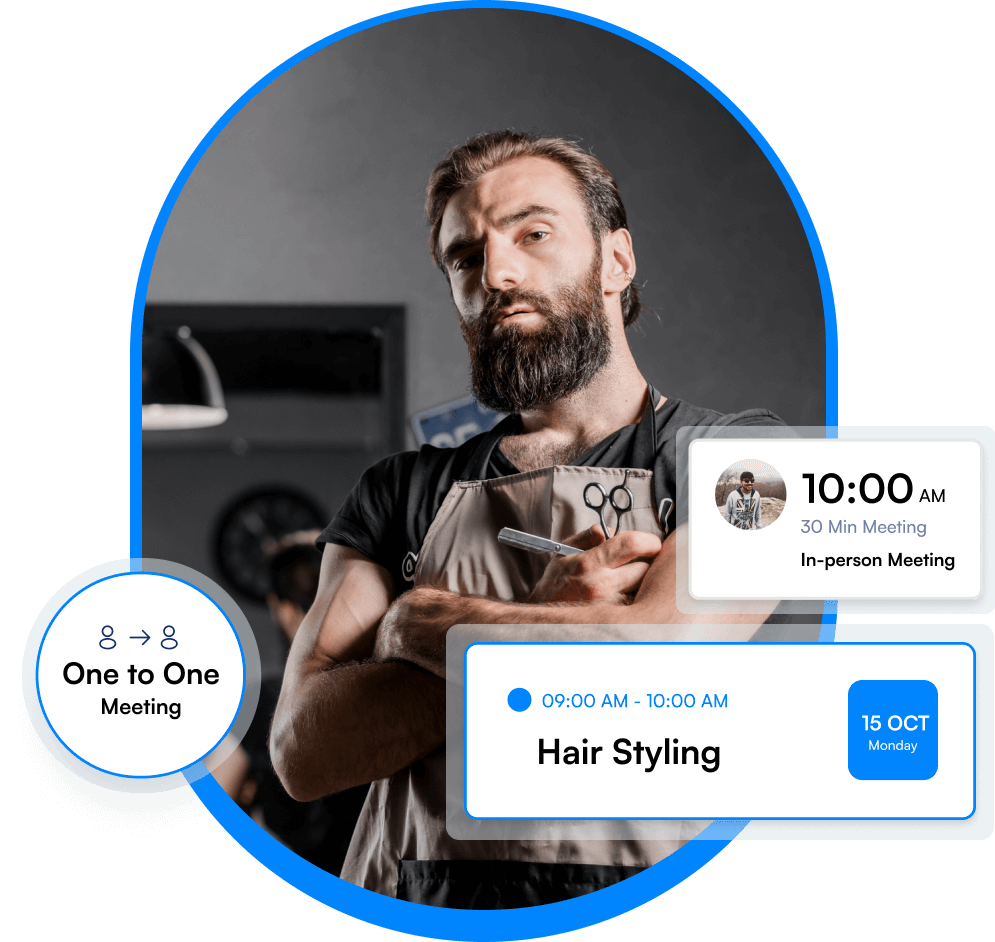
9. Set up Scheduling and Daily Operations Early
This is where many new salons get messy.
If you are running bookings by phone, text, and memory, things will go wrong. Double bookings happen. Clients forget appointments. Staff get confused about timing. Busy hours turn into stress. No-shows eat into revenue.
That is why scheduling should be part of the setup, not an afterthought.
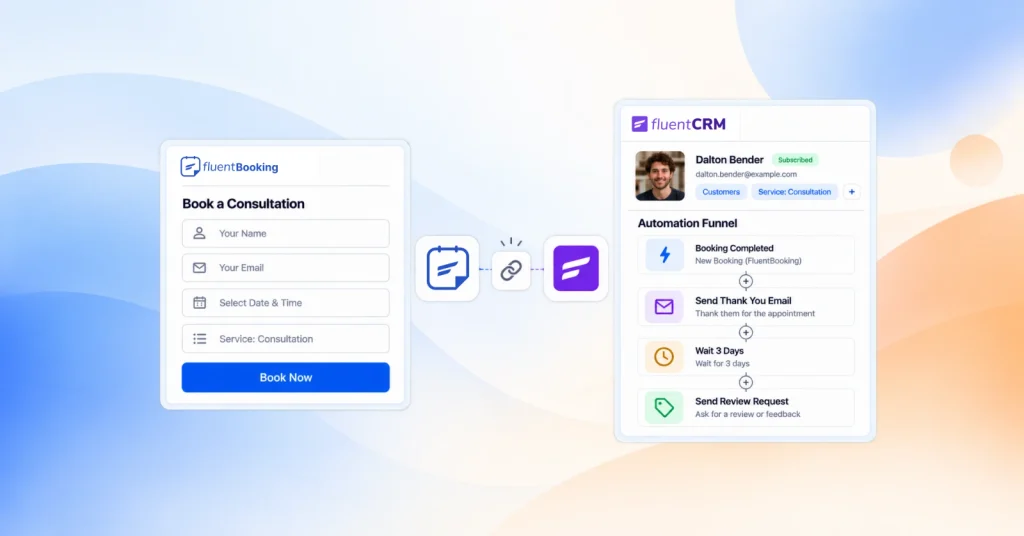
A good booking system can help you:
- Let clients book online
- Sync appointments with calendars
- Send automated reminders
- Set buffer time between services
- Prevent double bookings
- Track staff availability
- Reduce no-shows
This is one of the smartest operational moves a new salon can make. It does not just save time. It protects revenue and makes the customer experience better.
If you want a deeper look at why this matters, see our guide on the benefits of an online booking system.
If you want the salon to feel organized from day one, build the booking process before opening day, not after the first scheduling disaster.
Getting Messy
10. Plan Your Services and Offerings
Your services are the core of your salon. They should reflect your concept, your target clients, and how you want your business to operate day to day.
Start simple. Decide what you will offer based on what you do best and what your market needs. This could include haircuts, coloring, styling, treatments, or a few specialized services. You do not need a long list in the beginning. A focused menu is easier to manage and easier for clients to understand.
If you are targeting busy professionals, shorter service times, clear pricing, and quick turnaround will matter more than variety.
If you are building a full-service or premium salon, you can offer more detailed services like treatments or extensions, where clients are willing to spend more time and money for the experience.
Your service menu should be easy to read. Group similar services together, keep names simple, and avoid unnecessary complexity. When clients can quickly understand what you offer and how much it costs, they are more likely to book.
Descriptions also matter. They are not just there to explain the service; they help clients decide.
Instead of listing something like “Blowout – short / long,” give a clearer idea of the result. For example, you can describe it as a service that helps clients achieve volume, smoothness, or a polished finish based on their preference. Keep it short, but make it useful.
11. Choose the Right POS and Payment System
Your point of sale (POS) system is more than just a way to take payments. It connects your bookings, clients, staff, and daily operations.
If this setup is messy, everything feels harder than it should.
Start by choosing a system that is simple and reliable. You should be able to set it up without needing technical help. If it takes too long to learn, it will slow you down during busy hours.
Look for a system that does more than just process payments.
A good salon POS should:
- Accept multiple payment methods
- Connect with your booking system
- Sync with your calendar and staff schedules
- Support deposits or cancellation fees
- Allow quick add-ons at checkout (like products or extra services)
This keeps your workflow smooth from booking to payment.
Also, pay attention to how fast you get paid. Some systems delay payouts, which can affect your cash flow, especially in the early stages.
Security matters too. Make sure your system follows standard payment security practices and protects both your business and your clients.
If you expect your salon to grow or expand across channels, choose a modular payments partner that can adapt to your needs, integrate with your existing tools, and support a smoother checkout experience.
Finally, keep pricing simple with clear fees and no hidden charges so you know exactly what you’re paying for.
A well-chosen POS system reduces manual work, avoids confusion, and helps your salon run more smoothly from day one.
12. Plan Your Salon Marketing before Launch
You do not need to become a marketing expert, but you do need a basic plan to get people through the door.
Start with the essentials:
- Create a Google Business Profile
- Set up your social media pages
- Share your location, services, and opening date
- Offer a simple launch promotion if needed
- Build local partnerships
- Ask happy customers for reviews
The best early marketing for a salon is usually local and visual. People want to see the space, the service quality, and the kind of results they can expect.
If possible, start building awareness before opening day. A salon with no audience has to work much harder in its first month.
For a stronger launch strategy, read our proven salon marketing ideas and Strategies to Boost Revenue and Repeat Clients. It fits naturally here because marketing should be ready before your doors open, not after.
Create Your Launch-day Checklist
The last thing you want is a great space with a broken process on opening day.
Before launch, make sure you have tested:
- Appointment booking
- Phone handling
- Payment processing
- Staff schedules
- Product inventory
- Cleaning routines
- Opening and closing procedures
You should also prepare for the first rush of questions. What are the hours? What services are available? How do people book? What is the cancellation policy? What should clients expect on arrival?
A clean launch builds confidence. A chaotic one creates problems before the salon even gets momentum.
If your salon will offer repeat services, maintenance visits, or follow-up appointments, it is worth planning for recurring appointments early instead of trying to patch it later.
Common Mistakes to Avoid when Opening a Salon
Most salon mistakes are not mysterious. They are usually the result of rushing or underplanning.
Common mistakes include:
- Opening without a real budget
- Choosing the wrong location
- Buying too much equipment too early
- Hiring too quickly
- Ignoring compliance requirements
- Skipping staff training
- Not using a proper scheduling system
- Launching without any marketing plan
The biggest one is usually assuming the business side will figure itself out. It will not. A salon runs on systems, not hope.
Final thoughts
Opening a salon takes more than talent. It takes planning, structure, and enough discipline to handle the unglamorous parts well.
If you define the salon clearly, research the market, budget realistically, get the legal setup right, and build strong operations from the start, you give the business a much better shot at succeeding.
And if you want the day-to-day running of the salon to stay sane, set up scheduling and reminders early. That one decision can save a lot of chaos later.
If you are still choosing the right system, compare your options with our guide to the best WordPress booking plugin.
Frequently Asked Questions
Ratul Hasan Ripon
I enjoy making complex ideas simple and engaging through my writing and designs. With a strong knowledge on content writing and SEO, I create technical content that’s both easy to understand and interesting.
Table of Content
Subscribe To Get
WordPress Guides, Tips, and Tutorials


Add your first comment to this post