


How to Improve Customer Experience in Healthcare: A Complete Guide


A patient’s experience with a healthcare practice starts long before they meet their provider. It begins when they search for information, book an appointment, receive reminders, and communicate with the practice. A complicated booking process, long waiting times, unclear communication, or difficult cancellations can quickly turn a routine interaction into a frustrating experience.
Improving customer experience in healthcare means making every step of the patient journey simpler, more convenient, and more supportive. Practices can achieve this by improving appointment scheduling, reducing no-shows and waiting times, communicating clearly, protecting patient information, and giving patients more control over their appointments.
The good news is that creating a better experience doesn’t always require major changes. Small improvements to everyday processes can make a meaningful difference in patient satisfaction and trust. In this guide, we’ll explore practical strategies healthcare practices can use to create a smoother experience from the first appointment booking to post-visit follow-up.
What Is Customer Experience in Healthcare?
Customer experience in healthcare refers to the overall impression patients have from every interaction with a healthcare provider or practice. It covers much more than the quality of medical care. It includes everything from finding information about a provider and booking an appointment to communicating with staff, waiting for care, and receiving follow-up support.
Every touchpoint can influence how patients feel about a practice. A smooth booking process, timely appointment reminders, friendly communication, and easy rescheduling can create a more convenient experience. On the other hand, long waits, confusing processes, or poor communication can lead to frustration and reduce patient satisfaction.
A strong healthcare customer experience focuses on making the entire patient journey easier while maintaining the trust, privacy, and personal care patients expect from their healthcare providers.
10 Ways to Improve Customer Experience in Healthcare
The good news is that practices can improve the patient experience by making everyday processes simpler and more patient-friendly. Here are 10 effective ways healthcare practices can improve customer experience and build stronger patient relationships.
Make Appointment Scheduling Simple
For many patients, scheduling an appointment is their first interaction with a healthcare practice. If they have to call during office hours, wait on hold, or go through several steps just to find an available time, the experience can become frustrating before they even receive care.
Making patient appointment scheduling simple and convenient can remove unnecessary friction. An effective scheduling process should let patients quickly understand which services are available, choose the right provider, view available time slots, and complete their booking without unnecessary steps.
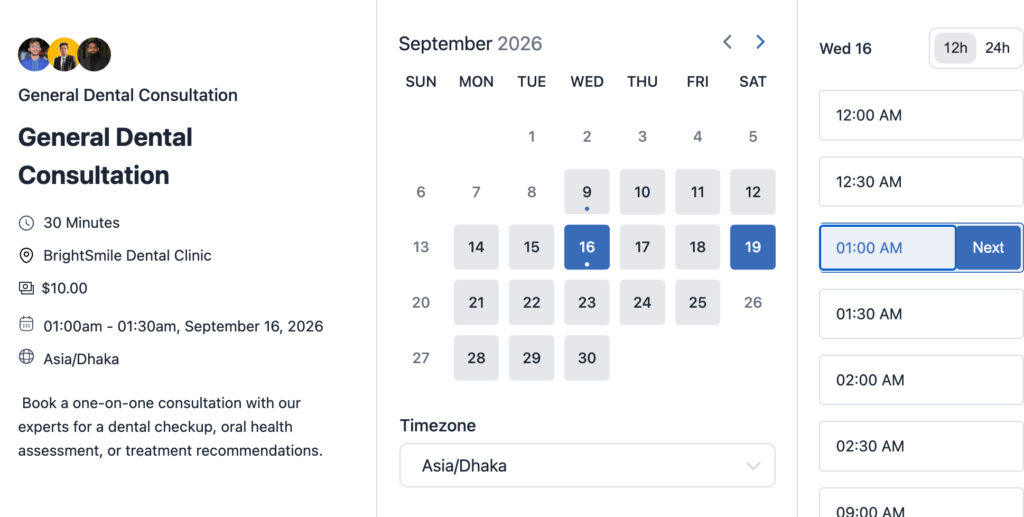
For example, a medical practice can automate appointment scheduling so available time slots are updated automatically, and patients can book without waiting for staff assistance. A simple booking form can also reduce the amount of information patients need to enter before confirming an appointment.
The goal is to make scheduling straightforward from start to finish. When patients can quickly find and book the appointment they need, the practice creates a better first impression while reducing routine work for front-desk staff.
Reduce Patient No-Shows and Waiting Times
Long waits and missed appointments can create frustration for patients and make it harder for healthcare practices to maintain an efficient schedule. When one appointment is missed or delayed, it can affect the timing of other patients’ visits throughout the day.
Practices can take several steps to reduce patient no-shows, including confirming appointments in advance, keeping schedules accurate, and making it easy for patients to change their appointments when necessary. These measures can help practices maintain a more predictable schedule and reduce unnecessary gaps.
Waiting times also deserve attention. Practices can review appointment durations, avoid overbooking, and leave enough time between visits for unexpected delays. When delays do occur, keeping patients informed can make the situation less frustrating.
For example, if a provider is running behind schedule, reception staff can let waiting patients know about the delay and provide an updated estimate. Small improvements like this can make patients feel respected while helping the practice manage its daily schedule more effectively.
Send Automated Appointment Reminders
Patients can forget appointments, especially when they book them weeks or months in advance. Sending reminders at the right time can help patients remember their upcoming visits and give them an opportunity to make changes if their plans have changed.
Using automated patient reminders allows healthcare practices to send timely notifications without requiring staff to contact every patient manually. Reminders can include the appointment date and time, provider details, location, and instructions for confirming, rescheduling, or canceling the appointment.
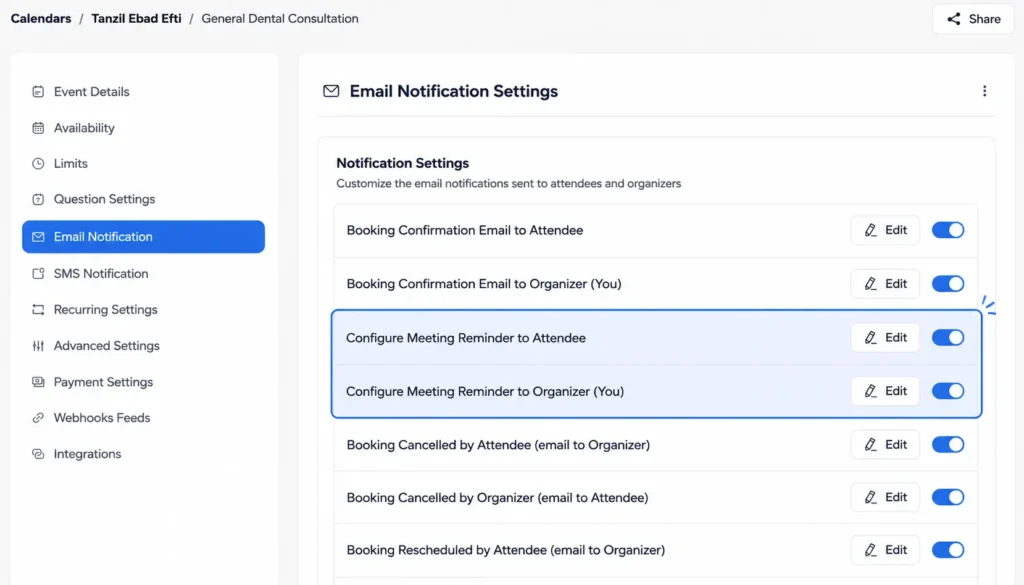
For example, a clinic can send an email several days before an appointment and follow it with an SMS reminder on the day of the visit. This gives patients multiple opportunities to remember their appointment without overwhelming them with messages.
The wording of these notifications also matters. Practices can use doctor appointment reminder text templates to create clear, friendly messages that provide essential information. Consistent reminders can make appointment management easier for patients while reducing repetitive administrative tasks for staff.
Make Cancellations and Rescheduling Easy
Patients’ plans can change unexpectedly, so making cancellations and rescheduling simple is an important part of a positive healthcare experience. Complicated processes or unclear rules can frustrate patients and may discourage them from returning to the practice.
A clear healthcare cancellation policy helps patients understand what to expect when they need to change an appointment. The policy should explain cancellation timeframes, any applicable fees, and the process for canceling or rescheduling.
For example, instead of requiring patients to call the practice during office hours, a clinic can provide a clear online option for changing an appointment. This gives patients more flexibility while giving staff a consistent process for managing schedule changes.
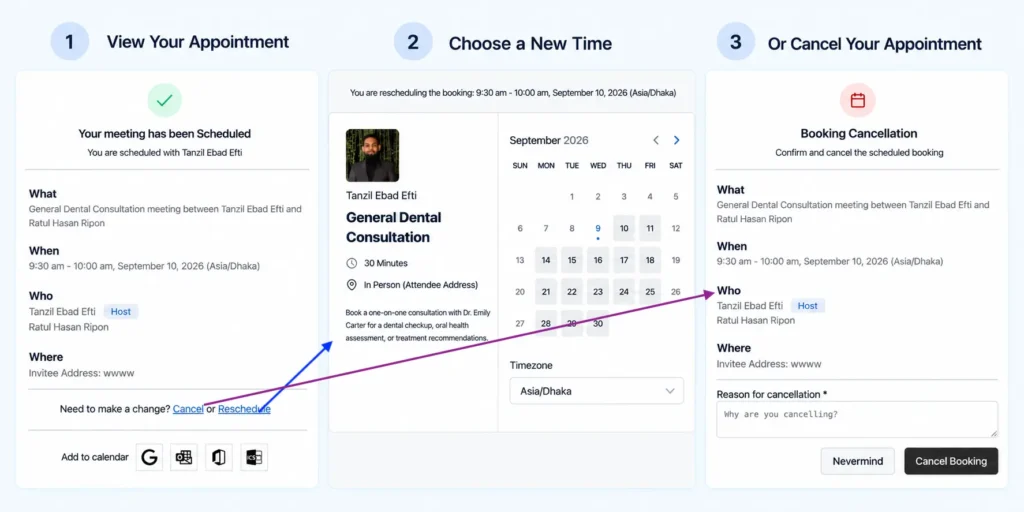
Communication is also important when an appointment is canceled. Practices can use cancellation email templates to create clear and professional messages that confirm the cancellation, explain any next steps, and help patients book another appointment when appropriate.
The goal is to maintain a predictable schedule without making patients feel that changing an appointment is unnecessarily difficult.
Protect Patient Information and Build Trust
Trust is a fundamental part of the healthcare experience. Patients share personal and sensitive information with their healthcare providers, so they need to feel confident that their information is being handled responsibly throughout their interactions with the practice.
Healthcare practices should use appropriate systems for storing and communicating patient information and limit access to authorized staff. This becomes particularly important when practices introduce digital services such as online appointment booking, where patients may enter personal details themselves.
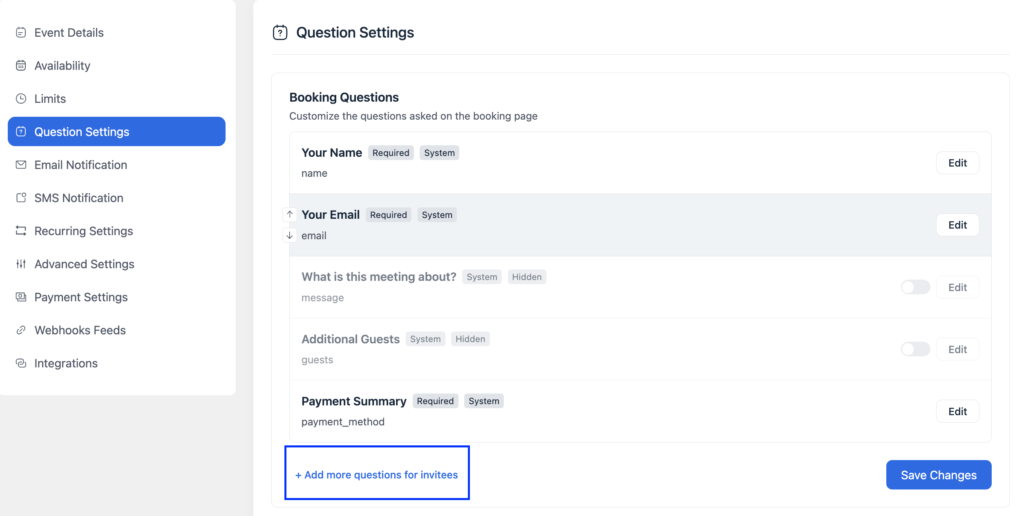
For example, a medical practice that accepts online appointments should carefully evaluate how its scheduling system collects, stores, and handles patient information. Understanding the HIPAA considerations for online appointment booking can help practices make more informed decisions when choosing and configuring their scheduling tools.
Practices should also clearly communicate relevant privacy information to patients. When people understand how their information is handled and see that privacy is taken seriously, they are more likely to feel comfortable using digital services and interacting with the practice.
Offer Convenient Online Booking Options
Patients don’t always have time to contact a healthcare practice during office hours. Some may want to book an appointment after work, while others may simply prefer using their phone instead of calling the front desk. Offering online booking makes healthcare services more accessible outside traditional office hours.
A convenient online booking option should be available 24/7, work well on mobile devices, and allow patients to access the information they need without assistance. The booking page should also be easy to navigate so patients can complete the process from a smartphone, tablet, or computer.
For example, a patient can visit a medical practice’s website in the evening, choose the service they need, select an available time, and submit their appointment request without waiting for the office to open. Practices using WordPress can set up patient scheduling on their website to provide this flexibility.
Online booking is therefore less about adding another scheduling method and more about giving patients access when and where it is convenient for them. This flexibility can make the practice easier to access for patients with different schedules and preferences.
Improve Communication Before and After Appointments
Clear communication can make patients feel more informed and supported throughout their healthcare journey. Patients should know what to expect before their appointment, what they need to prepare, and what steps they may need to take afterward.
Before an appointment, practices can provide confirmation messages, preparation instructions, location details, and other information patients may need. After the visit, communication can focus on relevant next steps, care instructions, or information about future appointments.
For example, a clinic can send a confirmation immediately after a patient books, followed by preparation information before the visit. After the appointment, the practice can send a follow-up message with relevant instructions or information about the patient’s next step.
Good communication helps patients understand what is happening at each stage and reduces the uncertainty that can make healthcare interactions feel more difficult.
Make the Patient Journey More Convenient
A positive customer experience depends on more than a single appointment. Practices should look at the entire patient journey and identify opportunities to make each stage easier, from the initial booking through ongoing care.
Before the appointment, patients should have access to clear information and an easy way to prepare. During the appointment, reducing unnecessary waiting and keeping patients informed can create a more comfortable experience. After the appointment, clear instructions and convenient options for future visits can help maintain that experience.
For patients receiving ongoing care, convenience can also mean reducing the need to repeat the same scheduling tasks. For example, a patient attending therapy every week may benefit from recurring appointments rather than booking each visit individually. Practices serving patients with regular care can explore how to set up weekly recurring appointments in WordPress to simplify this process.
Looking at the patient journey as a whole helps practices identify smaller points of friction that may otherwise be overlooked. Improving these individual touchpoints can create a smoother experience across the entire relationship with the practice.
Give Patients More Control Over Their Appointments
Giving patients more control over their appointments can make healthcare more flexible without removing the human support provided by staff. Patients should have access to useful scheduling information and simple self-service options for routine tasks.
For example, patients may want to check when their next appointment is, add it to their calendar, or review appointment details without contacting the practice. Providing these options can save time for both patients and staff, particularly when the information is needed outside normal office hours.
Practices can also sync appointments with Google Calendar to help keep schedules organized and make appointment information easier to access across devices. Calendar integrations can be particularly useful for patients who manage multiple personal and professional commitments.
The goal is not to replace personal interaction. Instead, practices can use self-service tools for simple administrative tasks while keeping staff available for questions, care-related communication, and situations that require individual assistance.
Giving patients appropriate control can make appointment management feel more convenient while reducing unnecessary administrative requests.
Collect Patient Feedback and Continuously Improve
You can’t improve the patient experience without understanding what patients actually think about it. Regularly collecting feedback through surveys, feedback forms, reviews, and satisfaction scores can help healthcare practices identify what’s working and where patients are experiencing friction.
The timing of the feedback request also matters. For example, a practice can send a short follow-up message after an appointment asking patients about their experience, what could be improved, and whether they need additional assistance. Using FluentCRM to automate post-appointment follow-up emails can make this process more consistent while reducing manual work for staff.
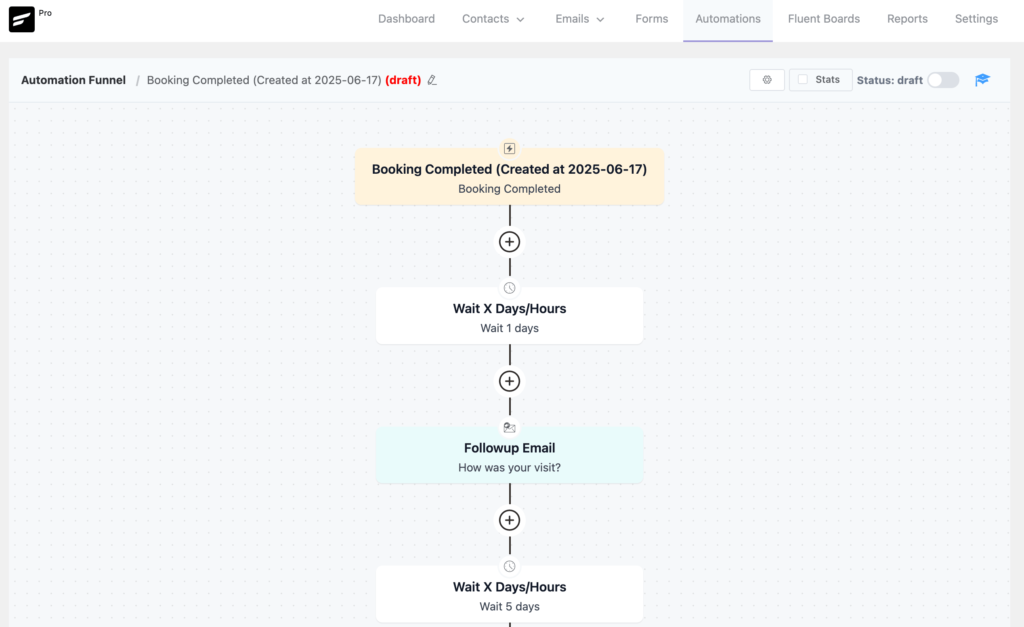
The important part is what happens after the feedback is collected. Practices should look for recurring issues rather than focusing on individual comments. If several patients mention long waiting times, confusing booking steps, or communication problems, those areas can become clear priorities for improvement.
The goal isn’t simply to collect more feedback. It’s to turn patient feedback into practical changes that make each interaction easier, more responsive, and more patient-friendly.
Best Practices for Improving Customer Experience in Healthcare
Improving customer experience in healthcare is an ongoing process. Practices should regularly review how patients interact with their services and look for small ways to make each step easier, clearer, and more convenient.
Use this checklist to keep the most important areas in focus:
- Make appointment booking easy with a simple and straightforward scheduling process.
- Reduce no-shows by confirming appointments and making schedule changes easier.
- Send timely reminders so patients have the information they need before their visits.
- Simplify cancellations with clear policies and an easy cancellation process.
- Make rescheduling convenient by allowing patients to choose another suitable time.
- Protect patient information by using appropriate privacy and security practices.
- Communicate clearly before and after appointments with timely, relevant information.
- Reduce waiting times by keeping schedules organized and patients informed about delays.
- Offer convenient booking options so patients can schedule appointments when it suits them.
- Collect patient feedback and use recurring feedback to identify areas that need improvement.
The goal is to create a consistent experience across every patient interaction, from the first appointment booking to ongoing communication and follow-up.
Make Every Patient Interaction Count
Improving customer experience in healthcare starts with making every patient interaction simple, convenient, and supportive. From booking appointments and receiving reminders to managing schedule changes and sharing feedback, each step can shape how patients view a practice.
Small improvements can make a meaningful difference. Offering online booking, automating reminders, simplifying cancellations, improving communication, and listening to patient feedback can create a smoother experience while reducing repetitive administrative work.
Ultimately, the goal is to make patients feel informed, respected, and supported throughout their journey. By continuously improving everyday processes, healthcare practices can build stronger patient relationships and deliver a better overall experience.
Ratul Hasan Ripon
I enjoy making complex ideas simple and engaging through my writing and designs. With a strong knowledge on content writing and SEO, I create technical content that’s both easy to understand and interesting.
Table of Content
Subscribe To Get
WordPress Guides, Tips, and Tutorials


Add your first comment to this post